Physiotherapy in Haridwar where bodies relearn motion
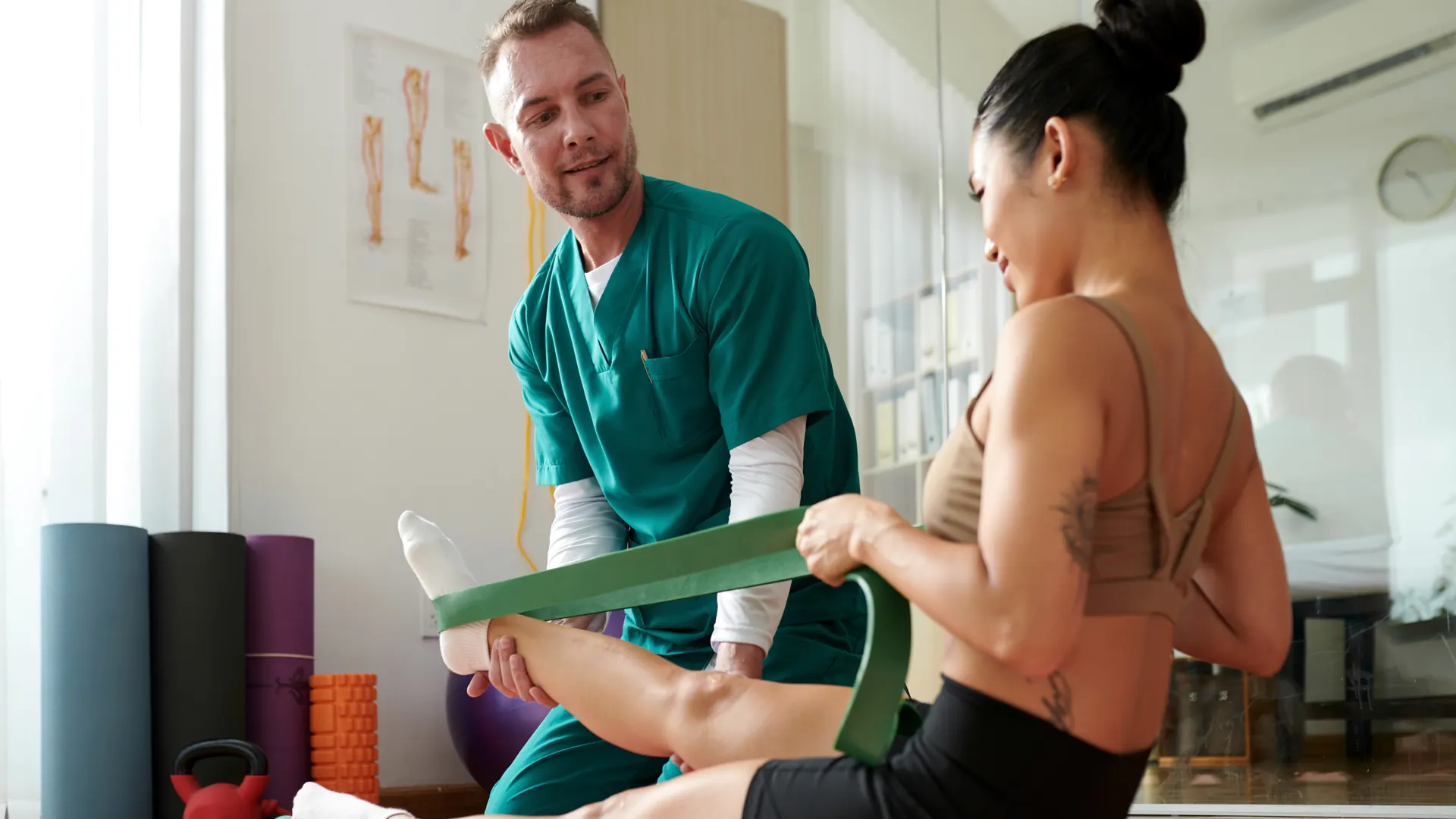
A full clinical physiotherapy department inside the retreat. BPT-qualified physiotherapists, modern electrotherapy and rehabilitation equipment, and the time and supervision that outpatient care never quite allows. We work alongside Ayurveda and Naturopathy here, not as a competing system, as the structural rehab that classical Indian wellness has always wanted next to it.
A working principle, not a sloganRehabilitation as evidence-based recovery
Pain is not the enemy. Bracing around it is.
Chronic pain is rarely about the original injury anymore. By the time most guests arrive, the tissue has been holding a guard pattern for months or years. Range of motion has narrowed. Strength has dropped on the painful side and overcompensated on the other. Posture has reorganised itself around the avoidance. Physiotherapy Haridwar at Divine Holistic Health Retreat exists to unwind those patterns clinically, with measurement, equipment, and progressive load, supervised through every step.
Our physiotherapists hold a Bachelor of Physiotherapy (BPT) from accredited Indian universities, several with MPT specialisation in orthopaedics or neurology, working in line with World Health Organization rehabilitation guidance and the standards of the Indian Association of Physiotherapists. They read your imaging. They communicate with your home orthopaedic team on request. They sequence the rehabilitation in line with current evidence, not folklore. And they layer in the parts of classical Ayurvedic and Naturopathic practice that genuinely complement modern rehab, because both have always belonged together.
- 01Assess, do not assumeEvery intake begins with a structured musculoskeletal assessment and movement screen.
- 02Progress, do not pushLoad is added by tolerance, not by ambition. Setbacks are signals, not failures.
- 03Move, do not medicateMost chronic musculoskeletal pain responds better to progressive movement than to long-term analgesics.
- 04Teach, do not just treatEvery guest leaves with a take-home rehabilitation plan they can run on their own.
Where physiotherapy does its work
Our physiotherapy Haridwar service organises around four clinical care pathways. Every guest is triaged into one or more, with the protocol shaped to the specific pattern at intake.
-
Pathway 01
Nerve & Muscle
Sciatica, pinched nerves, numbness, weakness
For pain that travels down the leg or arm, tingling or numbness, weakness after a stroke, frozen shoulder, or any condition where a nerve is irritated or asleep. We use gentle electrical therapy, nerve-stretching exercises, and slow muscle re-training to wake the pathway back up.
-
Pathway 02
Bones & Joints
Back pain, knee pain, frozen shoulder, sports overuse
For long-standing back, neck, shoulder, hip, or knee pain. For osteoarthritis. For tennis elbow, plantar fasciitis, and old sports injuries. We work with hands, with stretches, with deep-heat machines, and with progressive strength work so the joint can carry your life again.
-
Pathway 03
Heart & Lung
Post-COVID fatigue, low stamina, breathlessness
For lingering tiredness after COVID, recovery after a cardiac event (with your cardiologist’s clearance), low exercise tolerance, breathlessness on stairs. We build aerobic capacity gradually with treadmill, cycle, and breathwork. No heroic effort, just steady weekly gains.
-
Pathway 04
Recovery & Aging
After surgery, balance loss, fall prevention
For knee replacement, hip replacement, spinal surgery, ACL reconstruction once your surgeon has cleared you. For older adults who are losing balance, losing muscle, or worrying about falls. We rebuild walking, balance, and confidence on the floor.




The full clinical kit, on site
Our physiotherapy Haridwar floor runs the same equipment a tertiary-care rehabilitation centre carries. Every modality below is available daily, included in your stay, applied by a BPT-qualified physiotherapist on the Vaidya’s or physician’s referral.
TENS, IFT & EMS
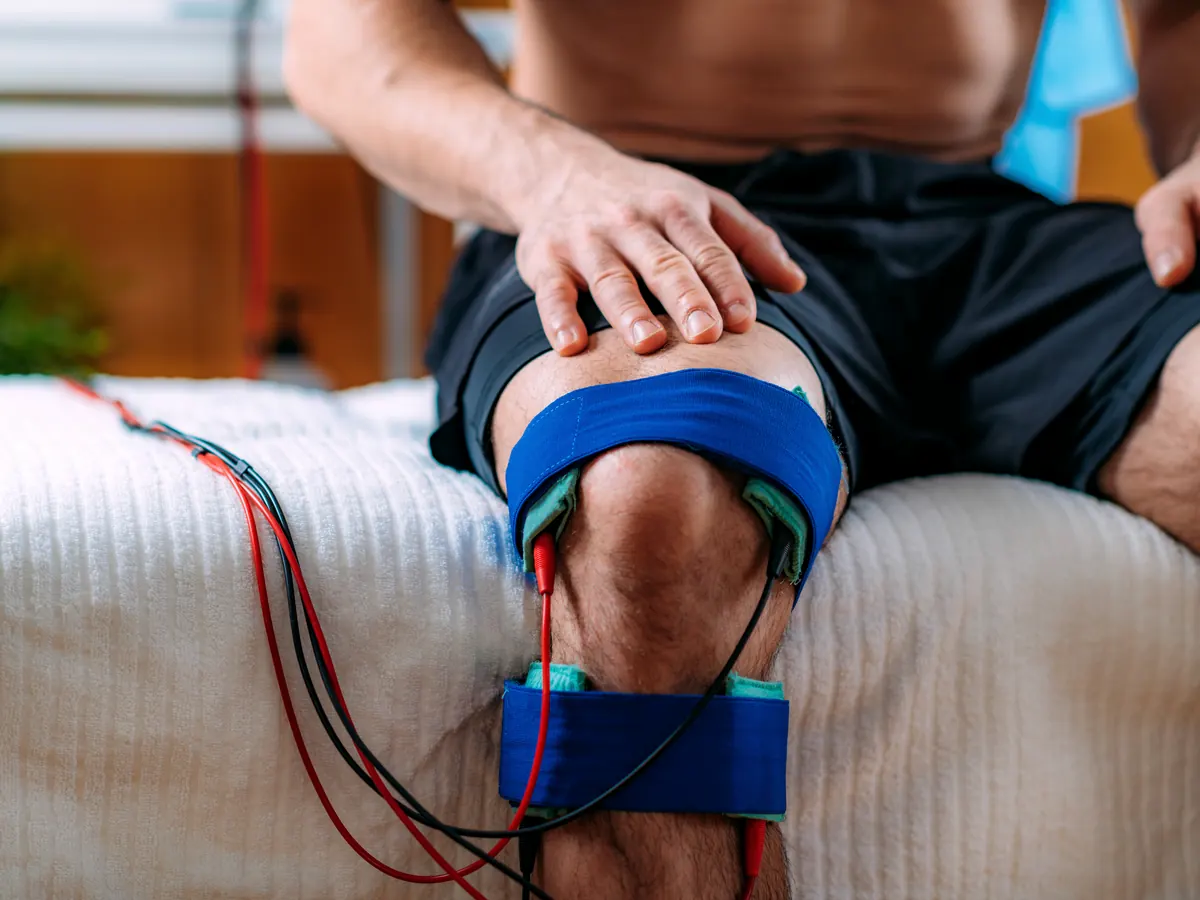
Transcutaneous, interferential, and electrical muscle stimulation, calibrated to the joint, the muscle group, and the pain pattern. Effective on chronic back, knee, and shoulder pain that has not responded to ordinary outpatient rehab.
Ultrasound & Shortwave Diathermy
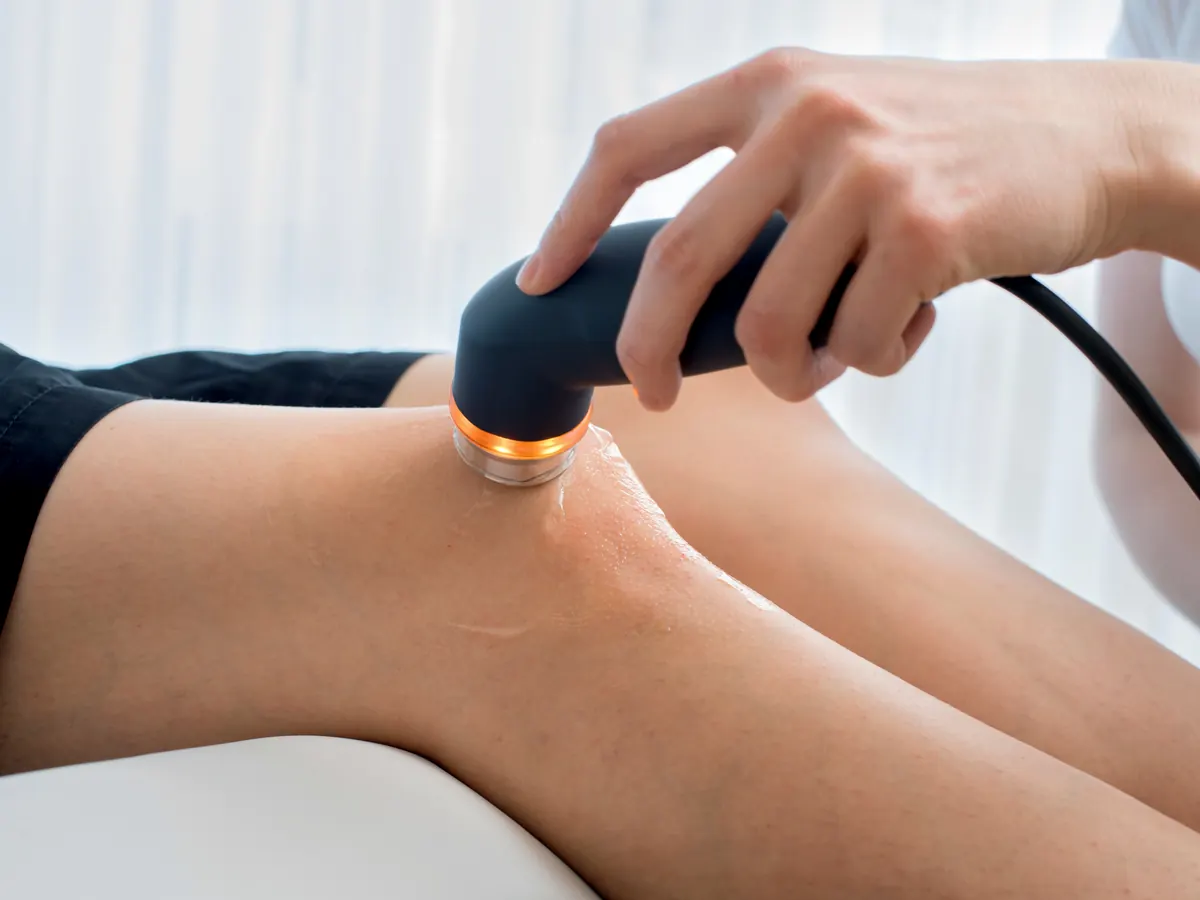
Deep-heat modalities that penetrate where surface massage cannot reach. Calibrated to the connective-tissue layer beneath the painful site. Excellent for chronic tendinopathy, frozen joint capsules, and post-injury fibrosis.
Gait Training & Balance
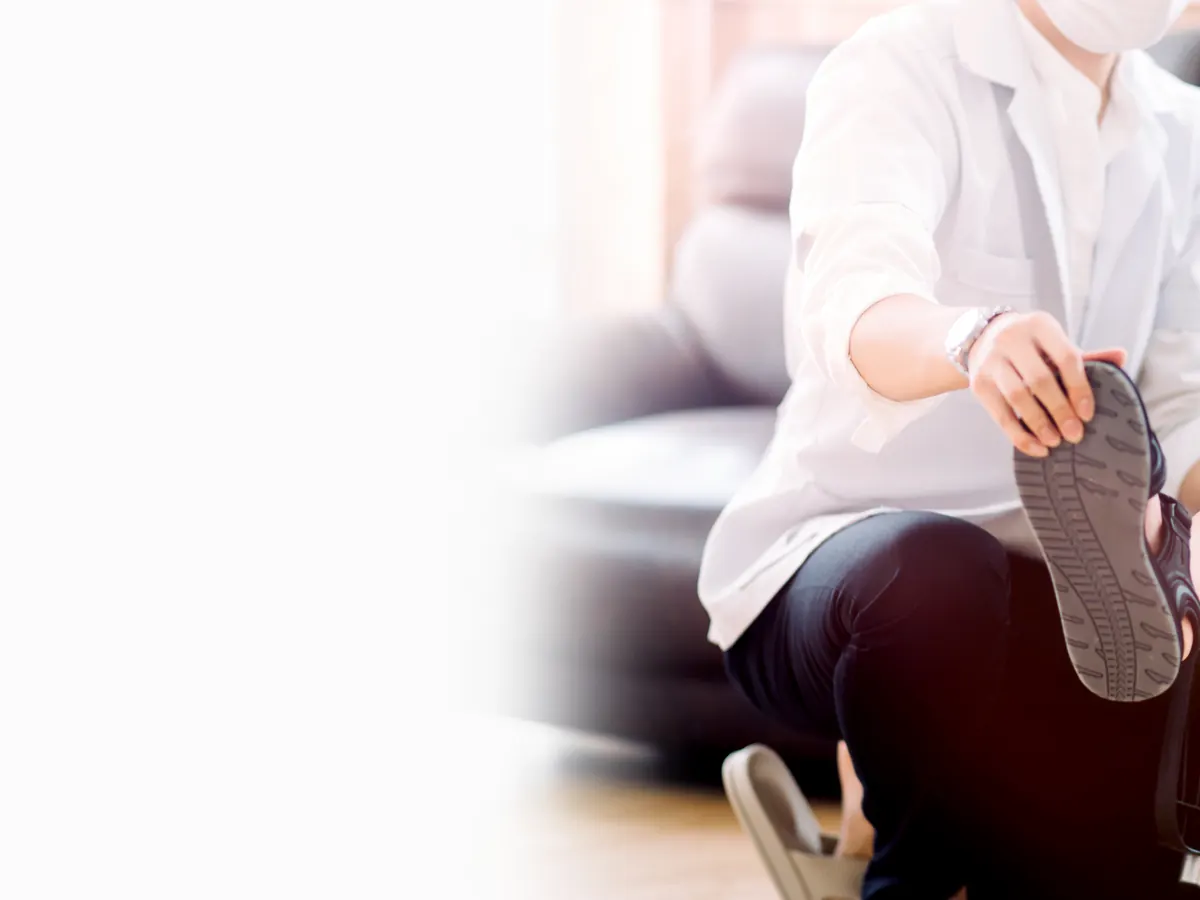
Parallel bars, partial-body-weight-supported (BWS) treadmill, wobble and BOSU boards, isokinetic dynamometer. Used for post-surgical recovery, post-stroke gait re-education, and geriatric fall prevention.
- TENS Surface nerve stimulation for chronic pain
- Interferential (IFT) Crossed currents, deeper than TENS
- Therapeutic Ultrasound Deep heat, soft tissue repair
- Shortwave Diathermy High frequency deep heat
- Low-Level Laser Cold laser for tendinopathy
- Cervical & Lumbar Traction Decompression for disc derived pain
- Treadmill, Cycle, Elliptical Graded cardiovascular conditioning
- Parallel Bars, BOSU, CPM Gait, balance, post op range
What a physiotherapy day looks like
Physiotherapy in residential setting moves twice as fast as outpatient care because the body has time to consolidate between sessions. A typical day on the physiotherapy Haridwar pathway runs to this rhythm, adjusted by your physiotherapist to your pattern and tolerance.
- 7:00 AMWake, hydration, gentle morning mobility sequence
- 8:00 AMBreakfast, anti-inflammatory plate
- 9:30 AMManual therapy block, joint mobilisation, soft-tissue work
- 10:30 AMElectrotherapy, TENS, IFT, ultrasound on the indicated region
- 11:30 AMTherapeutic exercise, progressive load, supervised
- 1:00 PMLunch, rest, recovery window
- 3:30 PMGait training, balance, BOSU, parallel-bar work
- 4:30 PMCardio block, treadmill, cycle, or elliptical, by tolerance
- 5:30 PMHydrotherapy, contrast bath, recovery soak
- 6:30 PMTake-home routine practice, you run the plan with the physio watching
- 7:30 PMLight dinner, no screens
- 9:00 PMGuided breathwork, Yoga Nidra wind-down
- 10:00 PMSleep, the most underrated rehabilitation tool
Strong response, careful gating, honest answers
Physiotherapy is most effective on chronic, post-injury, post-surgical, and lifestyle-driven musculoskeletal patterns. Acute trauma and acute cardiac events need acute hospital care first. Below is the honest split.
Strong response
- Chronic low back, neck, shoulder, hip, knee, hand pain
- Osteoarthritis of knee or hip (mild to moderate)
- Frozen shoulder (adhesive capsulitis) at any stage
- Tennis elbow, golfer’s elbow, plantar fasciitis, IT band
- Sciatica, cervical radiculopathy, post-disc-prolapse rehab
- Post-knee, hip, shoulder, spinal surgery (with surgeon clearance)
- Post-stroke recovery (chronic phase, ambulatory)
- Post-COVID lingering fatigue with reduced exercise tolerance
- Geriatric mobility, balance loss, sarcopenia, fall prevention
- Sports overuse, repetitive strain syndromes
Please complete acute care first
- Acute fracture, recent dislocation, recent surgery within four weeks
- Active infection, fever, septic joint
- Unstable cardiovascular condition, recent cardiac event
- Active oncology treatment, recent chemotherapy or radiation
- Acute disc prolapse with progressive neurological deficit
- Pregnancy first trimester (second and third with clearance)
Every booking begins with a structured intake. The physiotherapist reviews your imaging, your operative notes if applicable, and your medication list. If physiotherapy is not the right next step, we say so and recommend the right one.
Four programmes built around it
Physiotherapy threads through every signature programme. Pain Management is the most physio led, but each programme uses the department on its own terms.
-
 01
01Pain Management
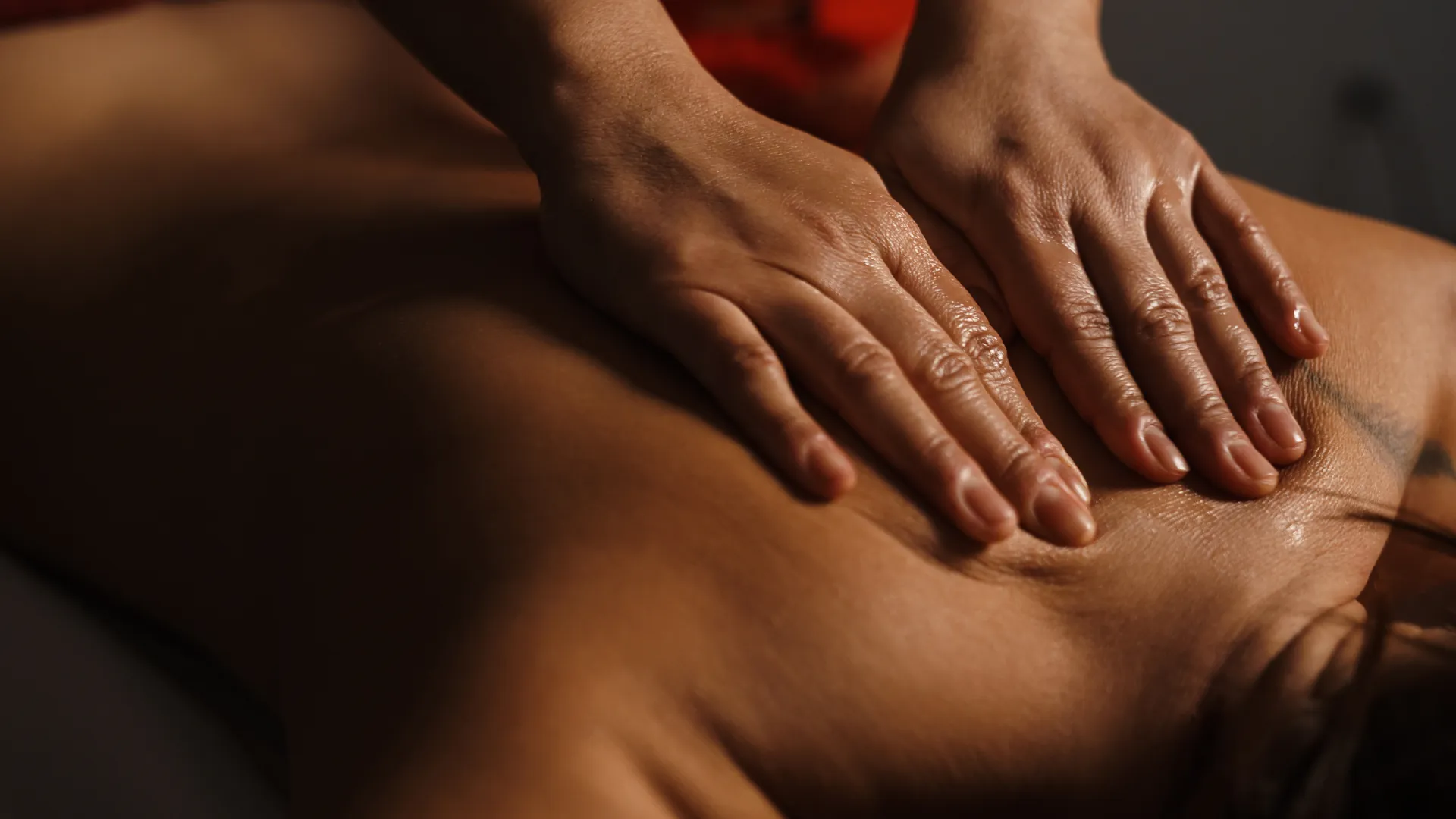
A twelve discipline integrative pain protocol. Doctor led physiotherapy on a backbone of Kati Basti, Potli, acupuncture, fire cupping, hydrotherapy. Tariff on enquiry.
Read the programme -
 02
02Weight Management
An eight discipline Kapha balancing programme with structured physiotherapy and progressive movement as the active core. From ₹750/day.
Read the programme -
 03
03Body Detox
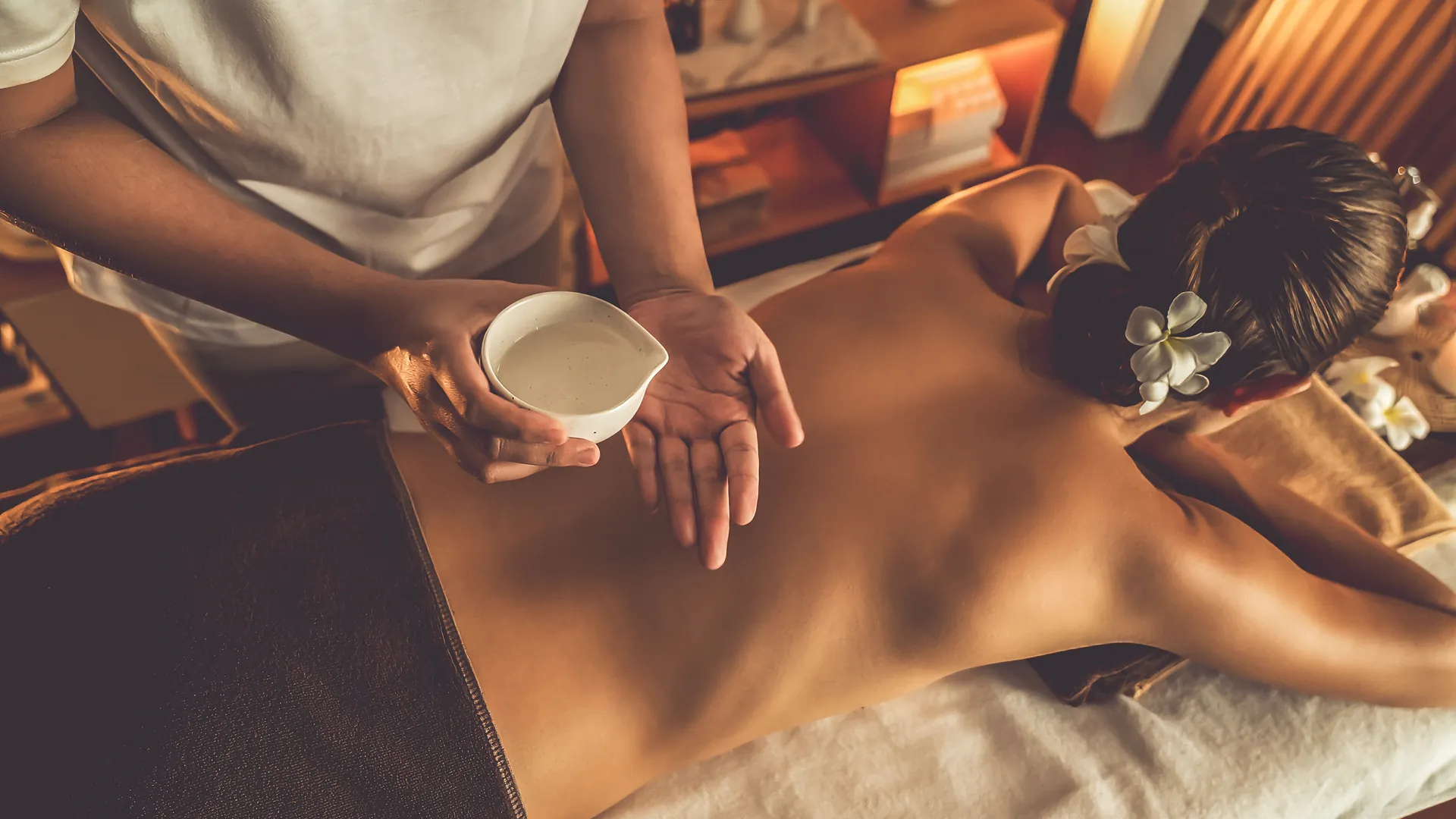
A six discipline naturopathic and Ayurvedic cleanse with light physiotherapy adjuncts where mobility work supports the broader reset. From ₹830/day.
Read the programme -
 04
04Stress Management
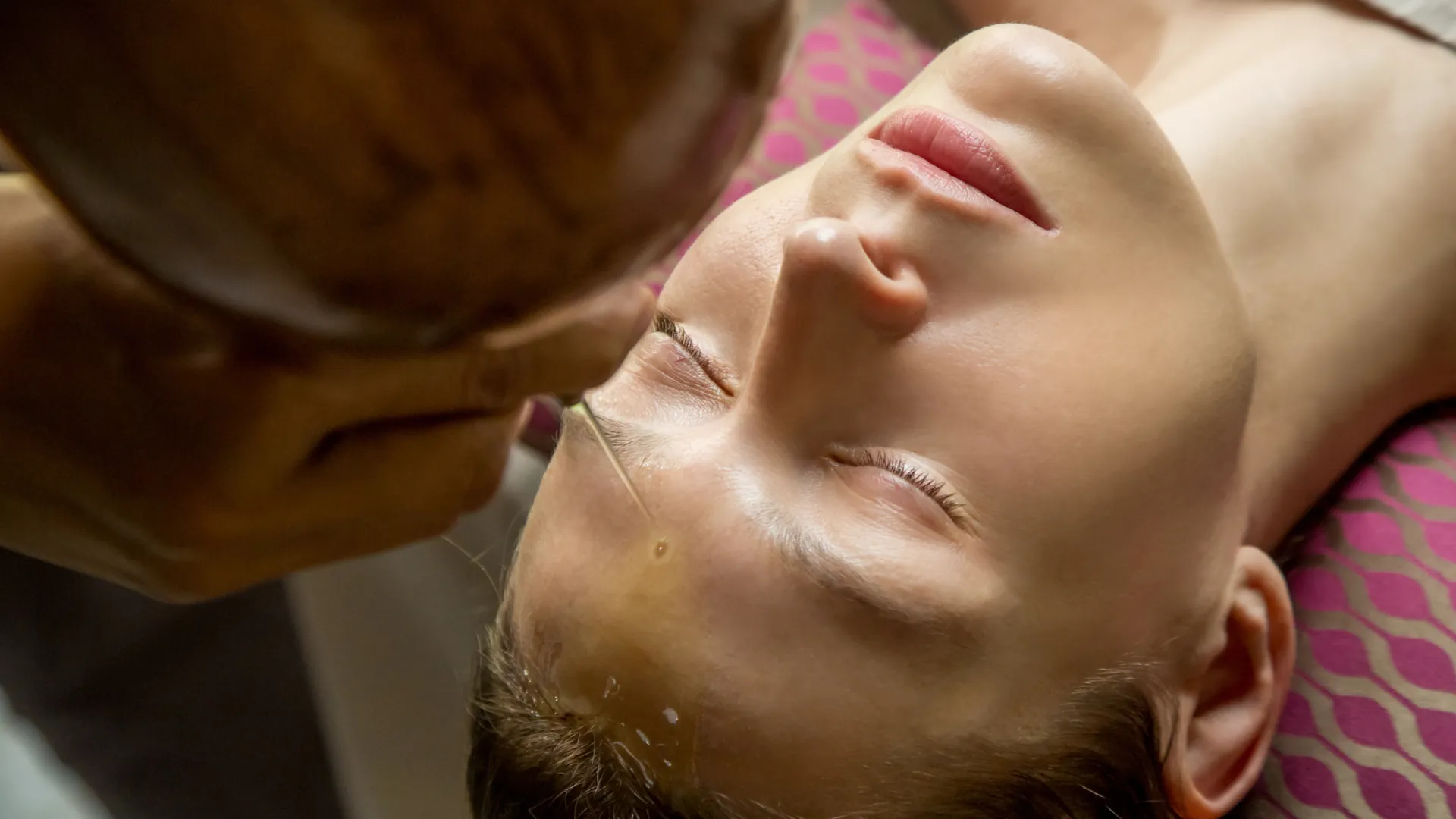
A ten discipline nervous system reset. Physiotherapy enters here as soft tissue release for the jaw, neck, and shoulder patterns chronic stress lays down. Tariff on enquiry.
Read the programme
Physiotherapy Haridwar, questions worth answering
-
How is residential physiotherapy different from outpatient sessions at home?
Two main differences. The dose is higher, twice-daily supervised sessions instead of two or three a week, which compresses progress that would otherwise take months. And the integration is deeper, because the physiotherapy here sits next to Ayurveda, Naturopathy, and a controlled daily rhythm, all of which support recovery. Residential physiotherapy is not a replacement for your home physio, it is a concentrated reset.
-
I have already done six months of physiotherapy and it has plateaued. Is this still worth trying?
Often yes, because plateau in outpatient settings is usually about either insufficient dose or insufficient supervision, not about the underlying condition being fixed. A residential programme rebuilds the rehabilitation arc from the assessment up, with a fresh pair of eyes, and the time to escalate load that home schedules rarely allow.
-
Do you communicate with my home orthopaedic surgeon or physiotherapist?
Yes, on request and with your consent. We can send a written assessment and progress note to your home team at any point in your stay, and a final discharge summary on departure. This is especially important for post-surgical guests where the operating surgeon’s protocol must be respected.
-
I had a knee replacement four months ago. Is it safe to come?
Usually yes, provided your operating surgeon has cleared you for progressive rehabilitation. Bring your operative notes and clearance letter to the intake. The protocol is built around the standard post-TKR pathway, with classical Ayurvedic adjuncts (gentle Abhyanga away from the incision, Kati Basti, hydrotherapy) layered in.
-
What if my pain is mostly stress-driven and the imaging is unremarkable?
Most chronic pain has a stress and nervous-system component, even when there is a clear structural finding. Our physiotherapy Haridwar protocol does not separate the two. We address structure with progressive load and modality, and we address the nervous-system overlay with parallel work in stress regulation, sleep, and breath. They reinforce each other.
-
Will I get a take-home programme I can actually follow?
Yes. Every guest leaves with a written take-home rehabilitation programme, recorded video of the key exercises, dosage and progression notes, and a scheduled 4-week and 12-week follow-up call with the physiotherapist. The stay is the catalyst, the months that follow are where the change consolidates.
Bring the imaging.
Then start moving.
The first conversation is the intake call, complimentary, unhurried, with a BPT-qualified physiotherapist. Bring your imaging, your operative notes if applicable, and your current medication list. We will respond with a clear assessment, a recommended stay length, a physiotherapy Haridwar protocol shaped to your pattern, and an honest answer on whether this is the right next step.
Divine Holistic Health Retreat · Shyampur Nauabad, Haridwar · Foothills of the Himalayas