
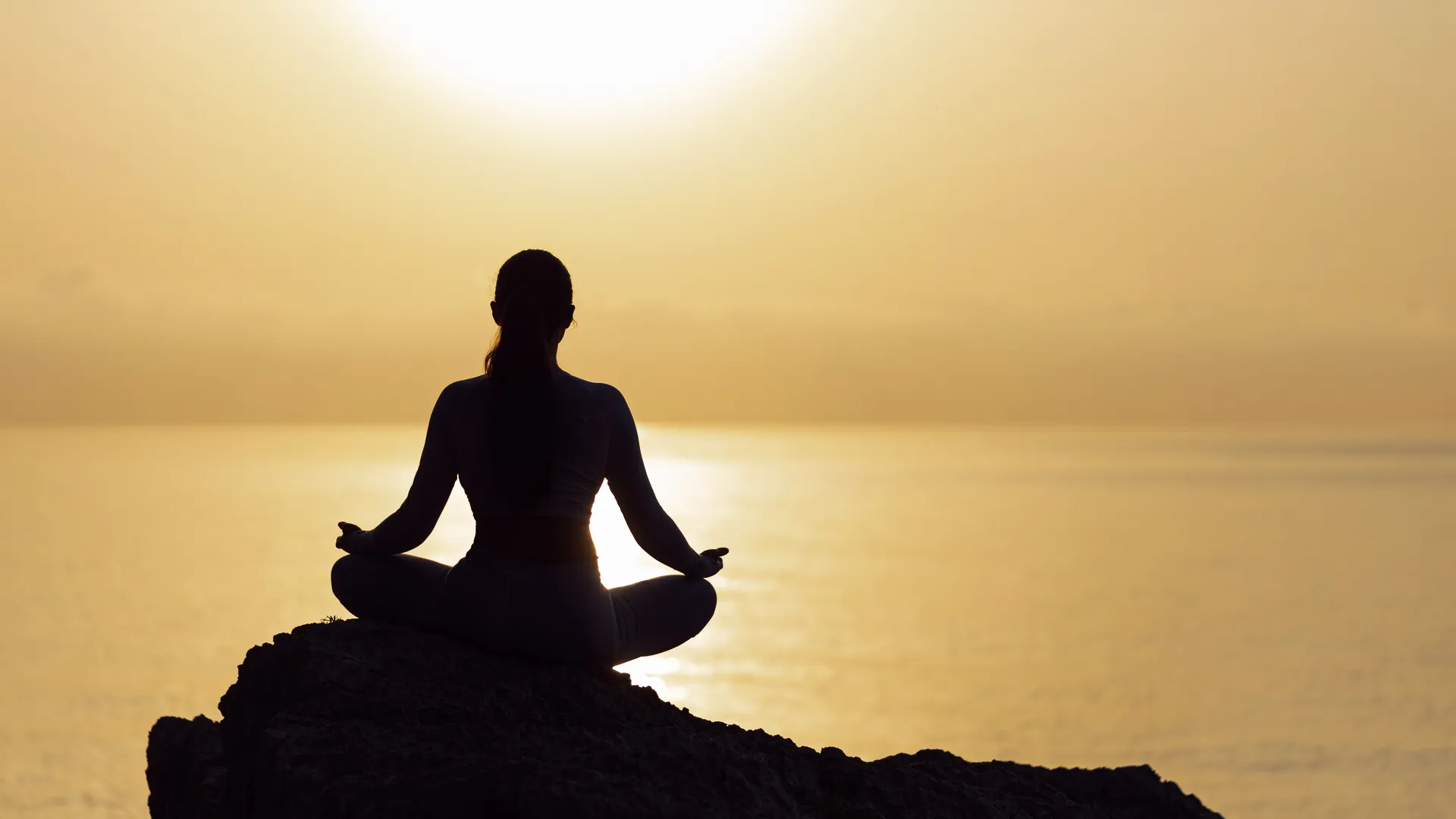
Yoga & Meditation in Haridwar where breath becomes medicine
Traditional Hatha Yoga in the morning, restorative Yin in the afternoon, Yoga Nidra at night. Pranayama on the riverbank, meditation under the trees, Vedanta study with a teacher whose lineage runs unbroken to Rishikesh and the Himalayan Hatha schools. Recognised as a medical discipline by India’s Ministry of AYUSH and researched at the Central Council for Research in Yoga and Naturopathy. Haridwar is where yoga was written down. We try to deserve that lineage every day.
Patanjali Yoga Sutra, two thousand years old, still the curriculumThe Eight Limbs, Ashtanga
Yoga is not the poses. The poses are one of eight.
Most of what the modern world calls yoga is asana, the third of the eight limbs Patanjali set down two millennia ago. The other seven are the part the lineage actually protected. Yama and Niyama, the ethical scaffolding. Pranayama, the breathwork. Pratyahara, sense-withdrawal. Dharana, concentration. Dhyana, meditation. Samadhi, absorption. The yoga meditation Haridwar practice at Divine Holistic Health Retreat walks all eight, slowly, in the order they were meant to be walked.
Haridwar is one of the four cities where the Kumbh Mela is held. It is the gateway to the Himalayan yoga lineages, to Rishikesh, to the Vedanta schools that have preserved this material in unbroken transmission. Our teachers trained in those schools. They teach Hatha, restorative, Yin, Yoga Nidra, the eight Pranayama variations, and the four meditation typologies. They tune the practice to your body and your stay length, the way it was always meant to be taught, one student at a time.
- 01YamaRestraint. Non-violence, truthfulness, non-stealing, moderation, non-possession.
- 02NiyamaObservance. Purity, contentment, discipline, self-study, surrender.
- 03AsanaPosture. Steady, comfortable, prepared. The body made fit to sit still.
- 04PranayamaBreath regulation. The bridge between body and mind.
- 05PratyaharaSense-withdrawal. Turning the attention inward.
- 06DharanaConcentration. The mind held on a single point.
- 07DhyanaMeditation. Concentration that has become effortless.
- 08SamadhiAbsorption. Subject and object dissolve into the same thing.
Seven energetic centres, climbed in order
The classical map of the subtle body, the seven chakras, is the framework Hatha and Tantra Yoga use to organise practice. Each chakra has its element, its location in the body, its associated pranayama and asana, and its meditative theme. The yoga meditation Haridwar curriculum here walks the seven slowly, root upward, the way the lineage teaches.
-
01 Sahasrara
Crown Chakra
Body Crown of the head. Element Consciousness. Seed Silence.
The opening to whatever you call the bigger thing. Classical texts say this one is not strengthened by practice but uncovered by it. When the lower six are working, this one tends to open of its own accord.
Practice Sahasrara meditation, inverted postures (Sirsasana, Sarvangasana, supported variants), long silent sits, contemplative reading of Vedanta and the Patanjali Yoga Sutra.
-
02 Ajna
Third Eye Chakra
Body Between the eyebrows. Element Light. Seed Om.
The insight centre. Concerns intuition, perception, mental clarity, the inner witness. When balanced, clear thinking, accurate intuition, steady inner observer. When disturbed, mental fog, indecision, intuition mistrusted.
Practice Trataka (candle gazing), Shambhavi Mudra, Nadi Shodhana, Yoga Nidra with focused attention themes, Shirodhara as Ayurvedic adjunct.
-
03 Vishuddha
Throat Chakra
Body Throat, neck. Element Ether. Seed Ham.
The expression centre. Concerns speech, truth telling, listening, communication. When balanced, clear honest expression, real listening, articulated thought. When disturbed, swallowed words, hoarseness, throat tightness, unsaid things.
Practice Throat opening postures (Halasana, Matsyasana), Ujjayi pranayama, chanting (Bija mantra Ham), silent retreats.
-
04 Anahata
Heart Chakra
Body Centre of chest. Element Air. Seed Yam.
The relational centre. Concerns love, compassion, openness, the capacity to receive and give. When balanced, warmth, healthy attachment, emotional generosity. When disturbed, grief held as armour, defensiveness, isolation.
Practice Back bends (Bhujangasana, Ustrasana, Setu Bandhasana), Anahata gazing, Bhramari pranayama, loving kindness meditation.
-
05 Manipura
Solar Plexus Chakra
Body Navel, solar plexus. Element Fire. Seed Ram.
The will centre. Concerns digestion, agency, transformation, personal power. When balanced, healthy digestion, decisive action, steady self worth. When disturbed, weak digestion, low confidence, anger or apathy.
Practice Core active postures (Navasana, Bhujangasana, plank variations), Kapalbhati pranayama, fire gazing (Trataka), Surya Namaskar at speed.
-
06 Swadhisthana
Sacral Chakra
Body Lower abdomen, pelvis. Element Water. Seed Vam.
The flow centre. Concerns emotion, creativity, intimacy, fluidity. When balanced, healthy relating, creative expression, healthy desire. When disturbed, emotional flatness or volatility, blocked creativity, addiction patterns.
Practice Hip opening postures (Baddha Konasana, Sukhasana variations), pelvic floor work, fluid vinyasa, dance, water meditation.
-
07 Muladhara
Root Chakra
Body Base of spine, perineum. Element Earth. Seed Lam.
The foundation. Concerns survival, stability, sense of belonging. When balanced, the practitioner feels grounded, financially secure, physically rooted. When disturbed, anxiety about basics, restlessness, sleep that does not hold.
Practice Standing postures (Tadasana, Virabhadrasana), root lock (Mula Bandha), grounding pranayama, walking meditation, time barefoot on earth.







Six daily streams, one rhythm
The yoga meditation Haridwar timetable runs six distinct practice streams through the day. You will join the ones the teacher recommends for your stay and your body, and stay in any one of them for as long as it serves.
-
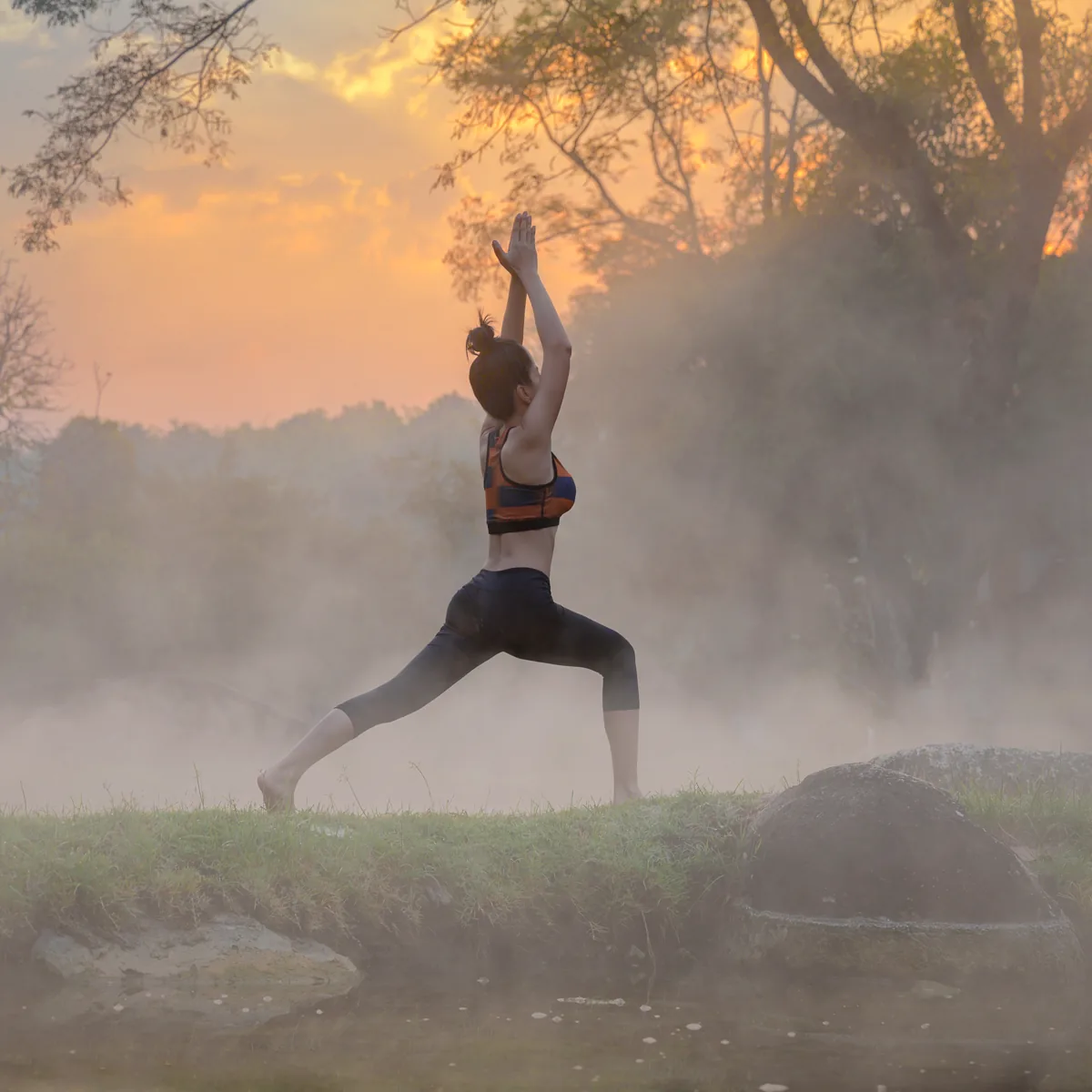 Morning
Traditional Hatha
Classical Hatha sequencing, held postures, full breath, slow transitions. The foundational stream every other practice rests on.
-
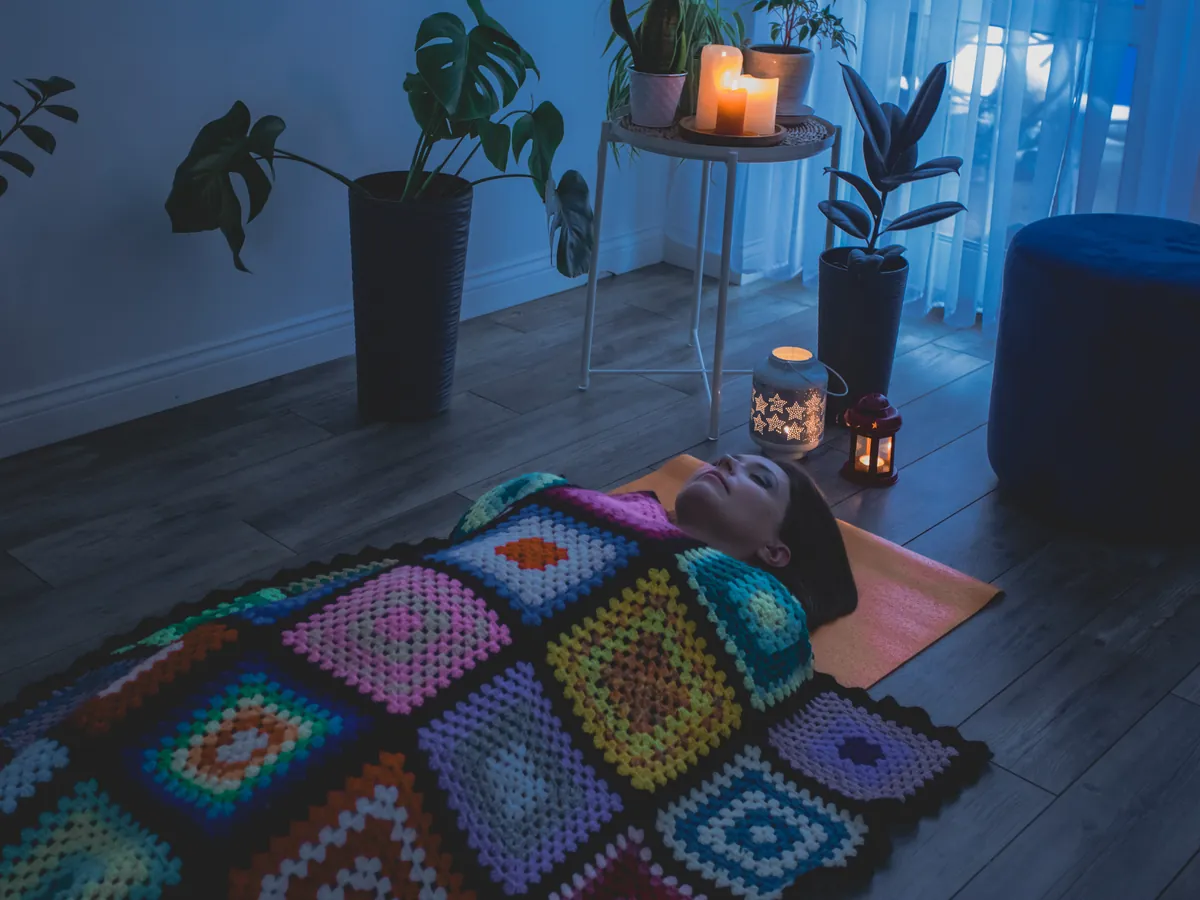 Afternoon
Restorative & Yin
Long-held supported postures, props, deep parasympathetic settling. The afternoon stream for guests on stress and burnout protocols.
-
 Daily
DailyPranayama
Eight classical breath practices, Nadi Shodhana, Bhramari, Kapalbhati, Ujjayi, Sheetali, Bhastrika, Anuloma Viloma, and Surya Bhedana, taught in correct sequence and dosage.
-
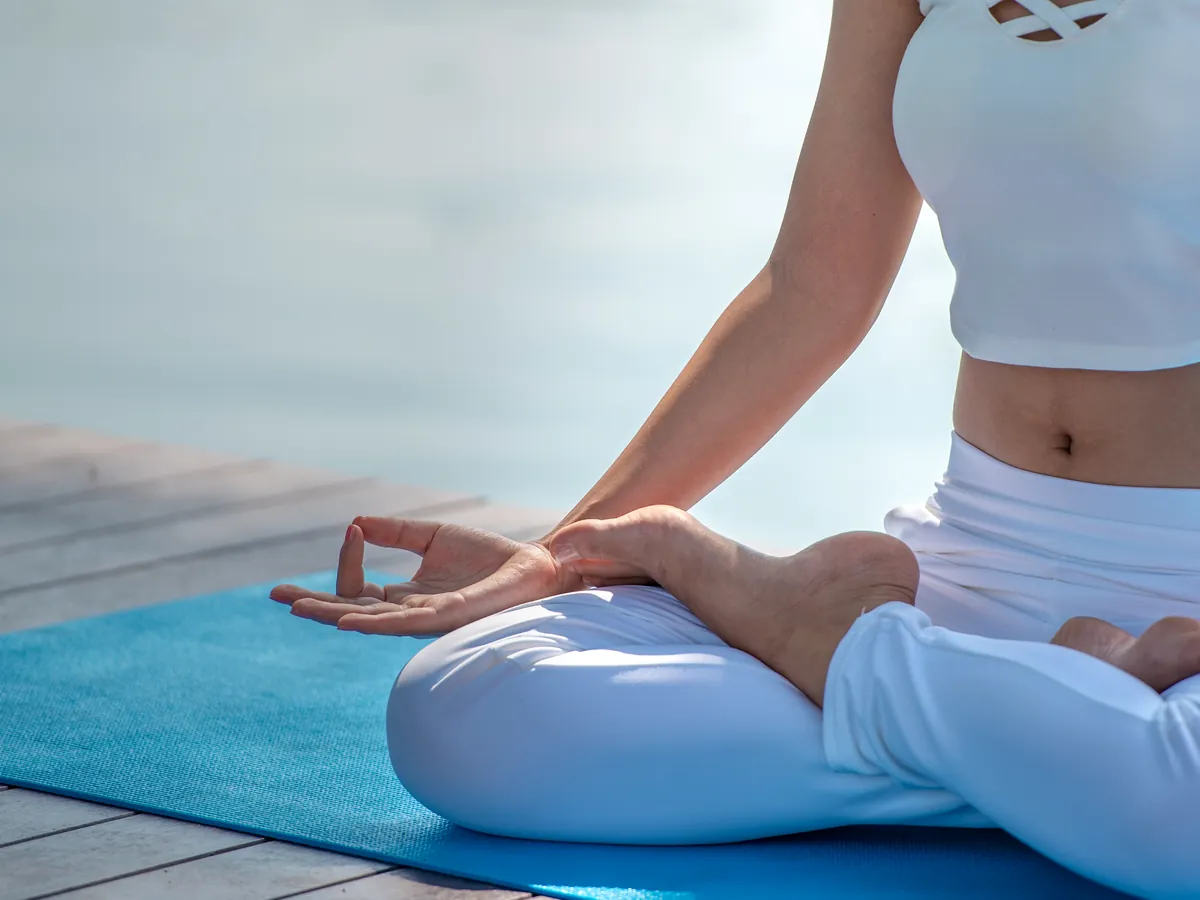 Twice Daily
Meditation
Four classical typologies, focused attention (Trataka), open monitoring (Vipassana-style), loving-kindness (Metta), and mantra meditation. Choice of group sit or guided.
-
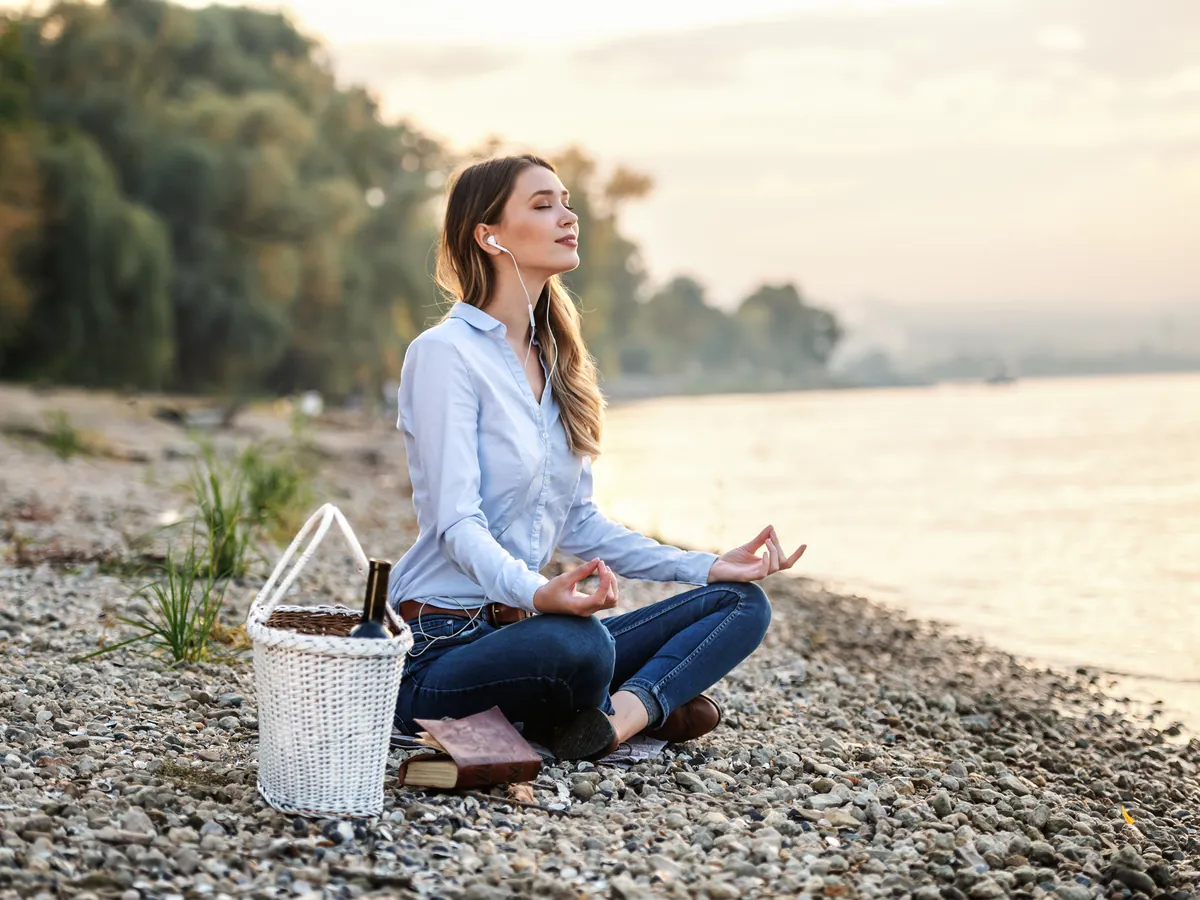 Evening
Yoga Nidra
Yogic sleep, the guided body-scan and conscious-relaxation practice. The single most evidence-supported intervention for chronic insomnia we run.
-
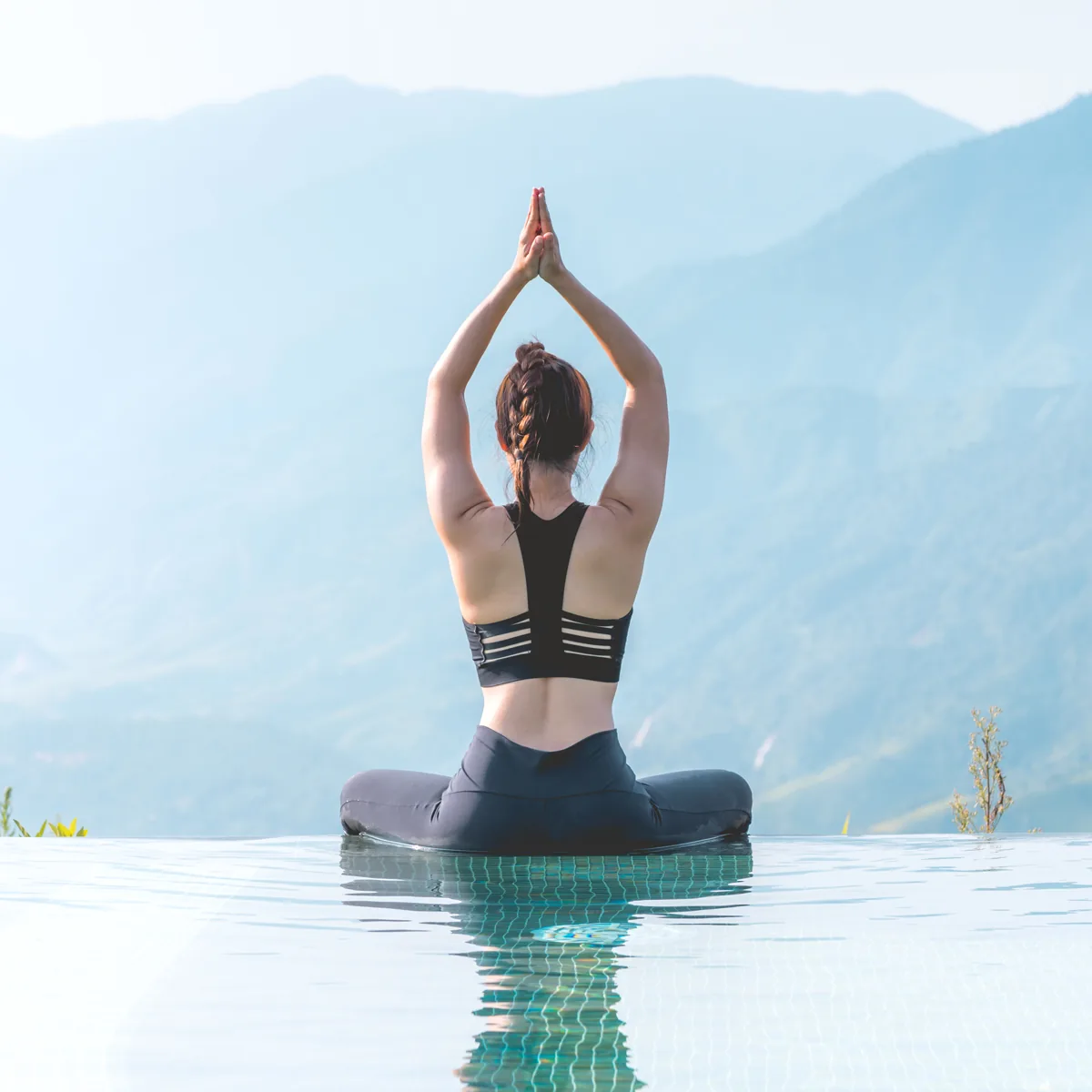 Wednesdays
Vedanta & Yoga Sutra Study
Weekly contemplative-reading session with a teacher. Patanjali, Bhagavad Gita, Hatha Yoga Pradipika, in plain English with the Sanskrit alongside.
A yogic day, by traditional order
The classical Hatha Yoga day moves the body through its natural arc. Brahma Muhurta start, asana, breath, breakfast, meditation, study, restorative practice, evening Yoga Nidra. Every guest joins the parts that match their stay and their physiotherapist or doctor’s clearance.
- 5:00 AMBrahma Muhurta, the yogic hour of dawn
- 5:30 AMShatkarma, Jala Neti, Trataka candle-gazing
- 6:30 AMTraditional Hatha Yoga, held postures, full breath
- 8:00 AMPranayama, Nadi Shodhana, Bhramari, Kapalbhati
- 8:30 AMSattvic breakfast, eaten in silence
- 10:00 AMGuided meditation, focused attention
- 11:00 AMVedanta or Yoga Sutra contemplative study (weekly)
- 1:00 PMSattvic lunch, silence held
- 3:00 PMRestorative or Yin Yoga, long supported holds
- 5:00 PMMauna walk in the orchard, walking meditation
- 6:00 PMLoving-kindness meditation, Metta sit
- 7:30 PMLight dinner, eaten in silence
- 9:00 PMYoga Nidra, guided yogic sleep
- 10:00 PMLights off, the deepest part of the day
Four programmes rest on this practice
Yoga and meditation thread through every signature programme. Stress Management leans on this department most heavily, but no programme runs without it.
-
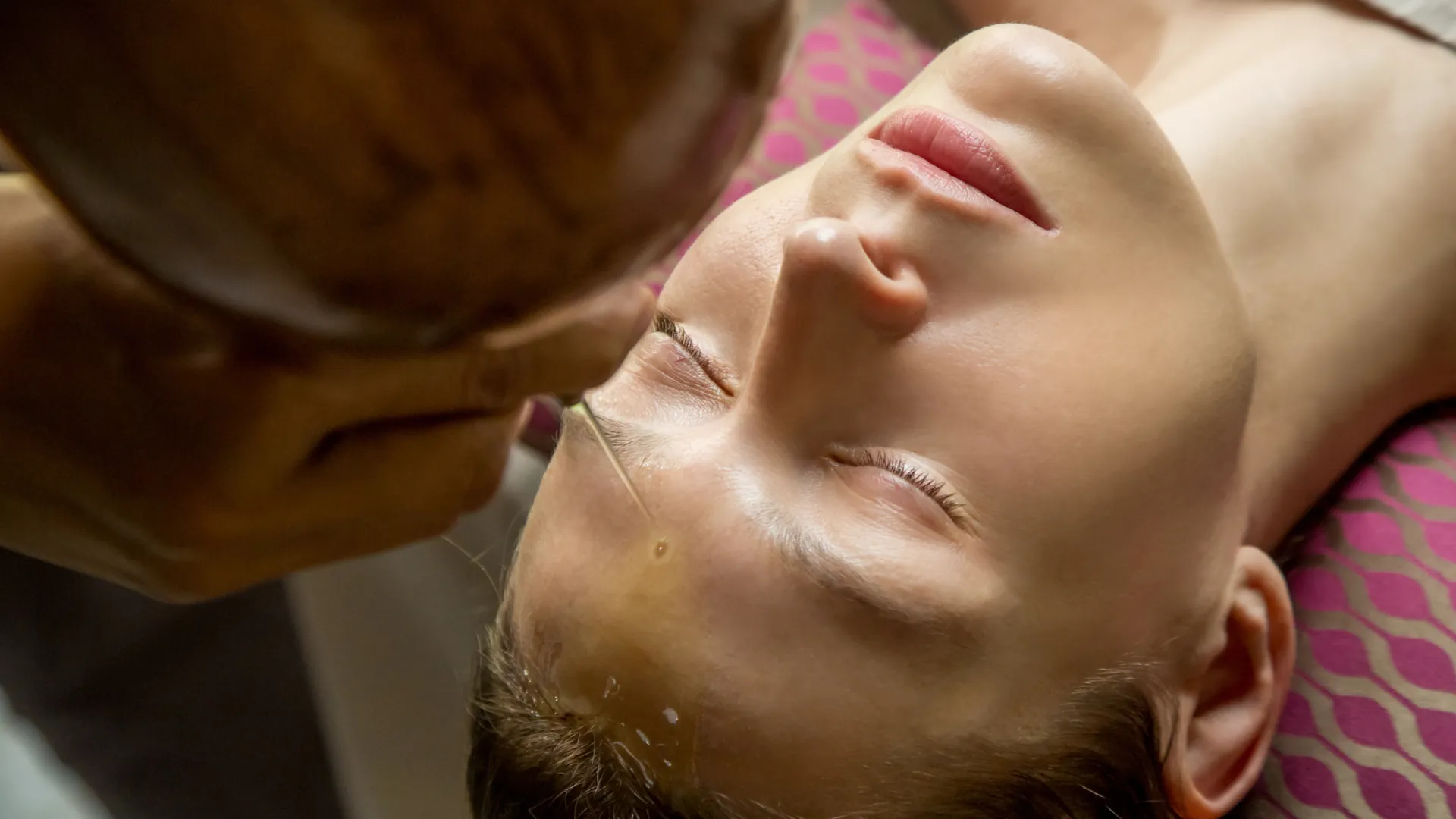 01
01Stress Management
A ten discipline nervous system reset. Restorative yoga, Yoga Nidra, Shirodhara, Pranayama at the core. Tariff on enquiry.
Read the programme -
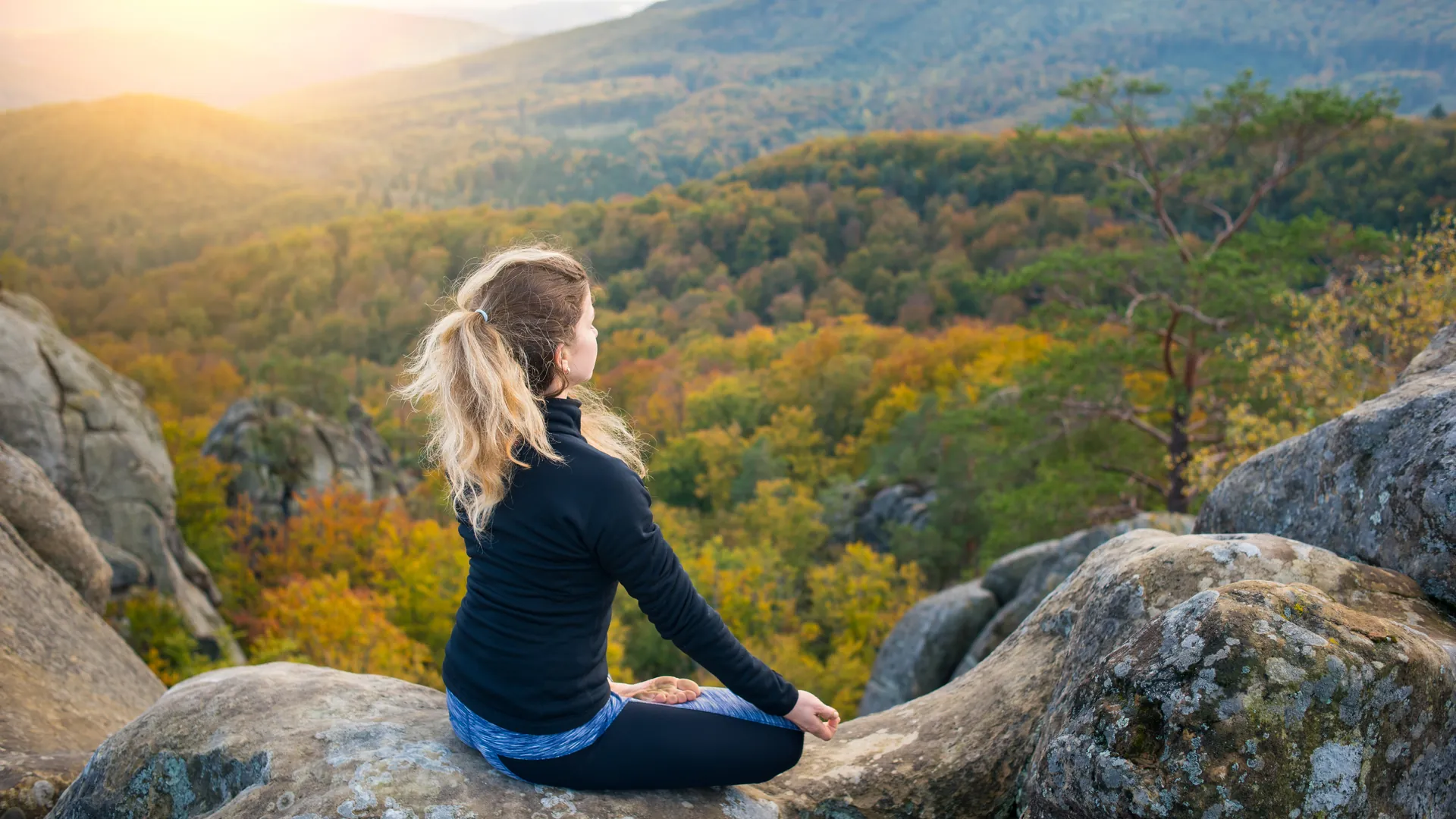 02
02Weight Management
An eight discipline Kapha balancing programme with twice daily yoga, Surya Namaskar at speed, and structured Pranayama. From ₹750/day.
Read the programme -
 03
03Body Detox
A six discipline cleanse with daily Hatha yoga, Shatkarma, and Pranayama threaded through the rhythm. From ₹830/day.
Read the programme -
 04
04Pain Management
A twelve discipline integrative pain protocol with pain aware therapeutic yoga and Pranayama for nervous system regulation. Tariff on enquiry.
Read the programme
Yoga Meditation Haridwar, questions worth answering
-
I am a complete beginner. Can I still come?
Yes, gladly. The yoga meditation Haridwar curriculum here is built for genuine beginners as well as for long-time practitioners. The morning Hatha class has a beginner thread inside it, and the teacher will adjust postures to your body. No prior practice is required. What we ask is curiosity and the willingness to start slowly.
-
I have done yoga in the West for years. Will this feel familiar?
It will feel related but slower and more devotional than Western studio yoga. Less choreography, more held postures, more breath, more meditation, more silence between asanas. Most experienced Western practitioners describe their first week here as a recalibration. By week two, they say they did not realise how fast they had been moving.
-
I have an injury. Should I still come?
Often yes. The teacher and the physiotherapy department will adapt the practice to your injury. For some conditions, residential yoga and pranayama is genuinely therapeutic. For others (acute injuries, recent surgery), we will recommend you complete acute care first. Mention the injury at intake and we will say honestly whether now is the right moment.
-
Do I have to meditate? I find sitting still difficult.
You do not have to meditate. Meditation sits inside the eight-limb structure, but the journey can begin anywhere on it. Many guests start with walking meditation, Yoga Nidra (lying down), or simply the breath practice (pranayama). Sitting still is a skill the practice teaches over time, not a prerequisite.
-
What is Yoga Nidra and does it really help with insomnia?
Yoga Nidra is a structured guided practice done lying down, where the teacher walks you through a body scan, breath observation, and visualisation. The state it produces is closer to deep sleep than to waking meditation. Twenty minutes of Yoga Nidra is widely reported as restorative as two hours of sleep. For chronic insomnia, it is one of the most evidence-supported tools the lineage offers, and one of the easiest to take home.
-
Is this a religious practice? I am not Hindu.
The yoga and meditation here come from a Hindu philosophical lineage, but the practice itself does not require religious belief. Patanjali described it as a science of the mind, available to anyone who picks it up. Guests from every faith tradition (and none) practise here. We will explain Sanskrit terms but never ask you to believe anything.

Sit with a teacher.
Then decide.
The first conversation is the intake call, complimentary, unhurried, with a senior yoga teacher. Tell us what you are hoping to find here. We will respond with a clear recommendation, a stay length, a yoga meditation Haridwar protocol shaped to your body and your level, and an honest answer on whether this is the right next step.
Divine Holistic Health Retreat · Shyampur Nauabad, Haridwar · Foothills of the Himalayas